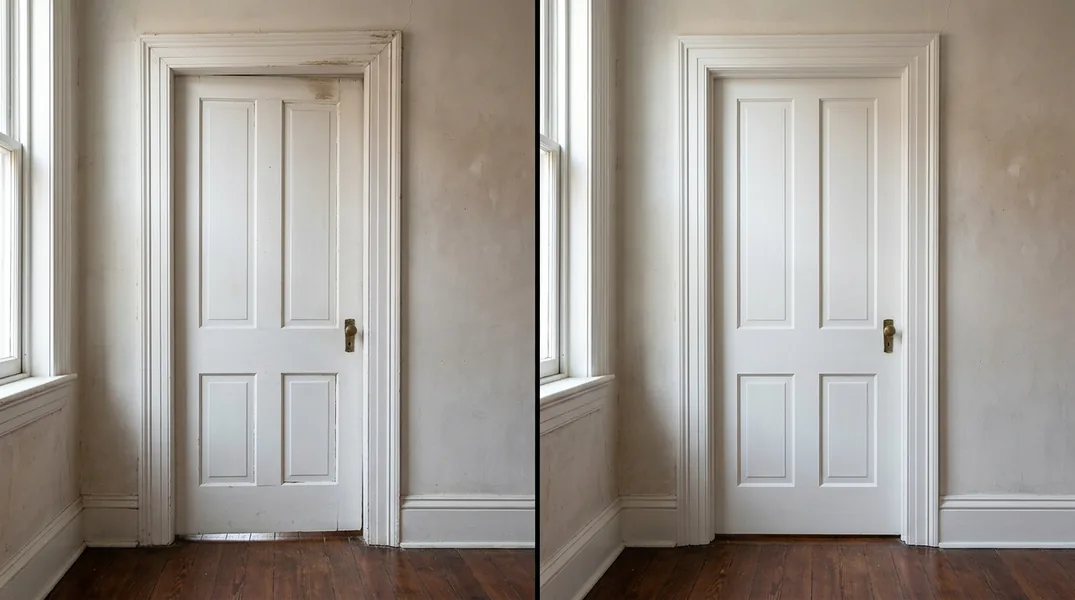
Understanding Wood Rot: The First Step to Making the Right Decision
Wood rot is one of the most common structural problems homeowners face, especially in the Baltimore area where humidity and seasonal moisture create ideal conditions for fungal growth. Before you decide whether to repair or replace damaged wood, you need to understand what you're dealing with. Wood rot occurs when moisture penetrates wood fibers and fungal spores begin to break down the cellulose, compromising the structural integrity of the material.
There are two main types of wood rot: dry rot and wet rot. Dry rot is particularly aggressive and can spread rapidly through a structure, even to wood that isn't directly exposed to water. Wet rot, on the other hand, typically develops in areas with persistent moisture and is less likely to spread to distant areas. Identifying which type you have is crucial because it directly influences whether you can simply repair rotted wood without replacing entire sections, or whether more extensive intervention is necessary. The color, texture, and location of the damage all provide clues about the severity and type of rot affecting your home.
When You Can Repair Rotted Wood Without Replacing It
The good news is that not all wood rot requires complete replacement. If you catch the problem early and the damage is superficial, repair rotted wood without replacing can be a cost-effective solution. Surface-level rot that affects only the outer layers of wood, typically less than one quarter inch deep, can often be treated and stabilized. This is especially true for decorative trim, fascia boards, and non-structural elements like window frames or door surrounds.
The repair process for minor rot involves carefully removing the affected wood using chisels or specialized tools, then treating the area with a fungicide to prevent future growth. Once the wood is clean and dry, epoxy fillers can be applied to restore the shape and appearance of the damaged section. This approach works well for homeowners who want to preserve original architectural details or maintain the aesthetic of their property. However, the success of this method depends entirely on addressing the underlying moisture problem. If you don't fix the source of the water intrusion, the rot will return, making any repair temporary.
Signs That Full Replacement Is Necessary
Extensive wood rot damage often requires complete replacement rather than repair. If the rot has penetrated more than one quarter inch into the wood, or if it affects more than 10 percent of a board's cross-section, structural integrity is compromised. Soft, spongy wood that crumbles easily when probed with a screwdriver is a red flag that the damage has progressed beyond repair. Additionally, if the rot has affected load-bearing elements like floor joists, beams, or structural framing, replacement is not optional, it's essential for the safety of your home and everyone in it.
When rot affects siding or exterior cladding, the decision between repair and replacement often comes down to the extent of the damage and the overall condition of the surrounding material. If you're dealing with replace rotted wood siding across a large section of your home's exterior, it may be more practical and cost-effective to replace the entire run rather than patching individual boards. This approach also ensures a consistent appearance and prevents a patchwork look that can affect your home's curb appeal. Structural elements in Towson and throughout the Baltimore region should always be evaluated by a professional carpenter before any repair decision is made.
Wood Rot & Dry Rot Repair Cost in Baltimore: What to Budget
Understanding wood rot repair cost is essential for homeowners planning their budget. The expense varies dramatically depending on the extent of the damage, the location, and whether repair or replacement is necessary. Minor surface repairs might cost between $300 and $800, while more extensive repairs involving multiple boards or structural elements can easily exceed $2,000. Wood Rot & Dry Rot Repair that requires full board replacement typically costs more because the labor is more intensive and materials must be sourced and installed properly.
Several factors influence the final cost. The accessibility of the damaged area matters significantly, rot in a crawlspace or attic is more expensive to address than damage on ground-level siding. The type of wood being repaired also affects pricing, as premium materials or specialty lumber will cost more than standard options. Additionally, if the rot has spread to structural components like floor joists or beams, you may need Floor Joist & Subfloor Repair or even Beam Replacement & Load-Bearing Wall Removal, which significantly increases expenses. The best way to understand your specific situation is to request a free estimate from a qualified carpenter who can assess the damage in person and provide accurate pricing based on your home's unique circumstances.
Addressing the Root Cause: Moisture Management and Prevention
Whether you choose to repair or replace rotted wood, the most important step is eliminating the moisture that caused the problem in the first place. Wood rot cannot develop without sustained moisture exposure, so any repair effort is doomed to fail if you don't address the underlying issue. Common sources of moisture include poor drainage, leaking gutters, damaged roofing, plumbing leaks, inadequate ventilation, and condensation in basements or crawlspaces. Take time to inspect these areas carefully and make necessary corrections.
In Essex and throughout the Baltimore region, spring and fall rains combined with high humidity create particularly challenging conditions for wood preservation. Installing proper drainage systems, maintaining gutters and downspouts, ensuring adequate ventilation, and using moisture barriers in crawlspaces are all essential preventive measures. If you're unsure about the source of moisture affecting your home, a professional carpenter can help identify the problem and recommend solutions. Treating the symptom without addressing the cause is like putting a bandage on a wound without cleaning it first, temporary relief followed by inevitable problems down the road.
Working With a Professional: When to Call Baltimore Carpentry
Deciding between repair and replacement isn't always straightforward, and making the wrong choice can be costly. Professional carpenters have the experience and expertise to evaluate wood damage accurately and recommend the most practical, cost-effective solution for your specific situation. They understand structural requirements, building codes, and the long-term implications of different repair approaches. A professional assessment takes the guesswork out of the decision and gives you confidence that your home is being properly maintained.
If you're dealing with wood rot in your Baltimore-area home and need expert guidance, Baltimore Carpentry is ready to help. Our team specializes in both minor repairs and major restoration work, and we pride ourselves on honest, transparent recommendations. We won't push you toward unnecessary replacement if repair is viable, but we also won't compromise your home's structural integrity with inadequate fixes. Contact us today at (667) 239-7898 or visit our website to schedule your free estimate and get a clear picture of what your home needs.
Looking for a professional carpentry contractor in Baltimore? Baltimore Carpentry responds fast for all your carpentry needs.
Get a Free QuoteOur services: Wood Rot & Dry Rot Repair · Termite Damage Repair · Floor Joist & Subfloor Repair